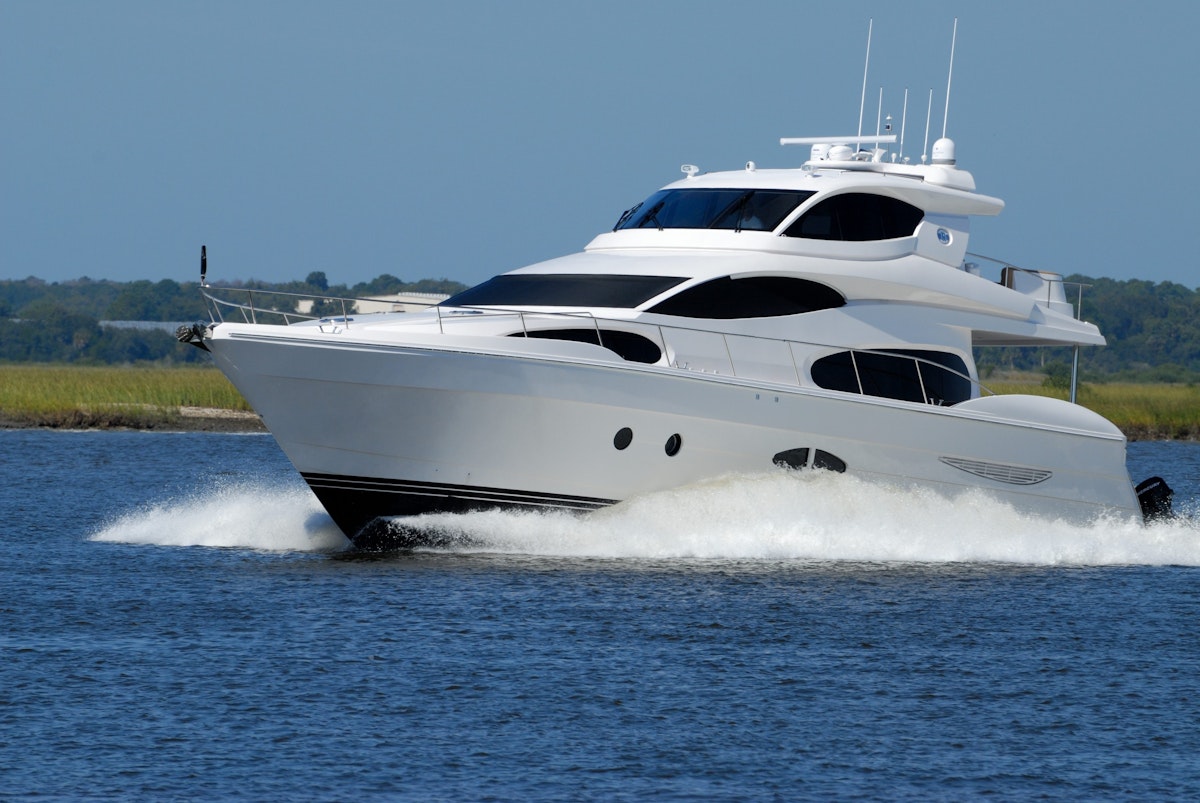
At the marina, experienced boat owners discuss zincs, impellers, and through-hulls with casual confidence. You nod along, pretending to understand while internally panicking: "What's a zinc? Should I know this? Am I the only one who doesn't understand boat terminology?"
New boat owner impostor syndrome is universal and unnecessary. Genuine confidence doesn't come from pretending expertise—it comes from honest learning, systematic preparation, and practical knowledge development. You can feel confident without pretending to know everything.
Understanding Confidence vs. Competence
The confidence paradox: truly competent people often feel uncertain while incompetent people feel confident (Dunning-Kruger effect). As a new boat owner, your uncertainty is actually a sign of appropriate self-awareness—you know enough to recognize what you don't know.
Genuine confidence develops from three foundations: systematic knowledge (understanding your specific boat and its systems), proven preparation (following checklists and protocols that ensure readiness), and documented information (organized references accessible when needed).
You don't need to memorize everything or achieve expert-level knowledge immediately. You need systematic approaches that make you prepared and informed regardless of memory limits.
The Power of "I Don't Know Yet"
Experienced boat owners respect honest uncertainty more than pretended expertise. Saying "I don't know—I'm still learning my boat's systems" generates helpful advice. Pretending to know and making mistakes generates judgment and potentially dangerous situations.
Embrace "I don't know yet" as complete sentence. The "yet" indicates you're learning, not permanently ignorant. Most experienced owners remember their own new-owner confusion and genuinely want to help. False confidence prevents asking questions that would accelerate your learning.
The boating community values safety over ego. Admitting uncertainty about something important ("I'm not sure about the best anchoring technique for this bottom") gets constructive help. Pretending confidence and anchoring poorly gets criticism and potential hazards.
Building Confidence Through Preparation
Confidence grows from systematic preparation, not innate knowledge. Before outings, work through comprehensive checklists: pre-departure systems check, weather and conditions verification, float plan communicated to someone ashore, safety equipment confirmed present and functional, and backup plans for various scenarios.
This preparation means you're genuinely ready rather than pretending readiness. Confidence built on actual preparation is real and justified. Confidence based on "I'm sure it'll be fine" is false and potentially dangerous.
Create written checklists for routine operations. There's no shame in consulting your checklist before starting the engine or preparing to dock. Pilots use checklists for operations they've performed thousands of times. Checklists aren't signs of incompetence—they're tools of competence.
Learning in Public Without Embarrassment
New owners often avoid asking questions for fear of revealing ignorance. This fear prevents learning and perpetuates uncertainty. Reframe question-asking as demonstrating conscientiousness rather than revealing incompetence.
When seeking advice, provide context: "I'm a new owner learning my boat's systems. Can you explain..." This framing generates helpful, detailed responses rather than assumptions about your knowledge level. People adjust explanations appropriately when they understand you're learning.
Join owner communities for your specific boat make/model. These groups expect new owners with questions. Your "stupid question" has been asked dozens of times before—and experienced owners genuinely enjoy helping newcomers. The community builds confidence through shared learning.
Developing Practical Knowledge Systematically
Confidence grows from practical, boat-specific knowledge: knowing your boat's quirks ("The starboard engine takes 3-4 cranks when cold—normal"), understanding your specific systems ("My electrical panel layout and circuit functions"), and documenting solutions to problems you've solved ("Bilge pump float switch gets stuck—tap it with screwdriver handle").
This practical knowledge is more valuable than theoretical expertise. You don't need to understand diesel engine theory comprehensively—you need to know how YOUR diesel engine operates, its service requirements, and common issues specific to your model.
Document learning systematically in personal reference guides. Create "How I..." instructions for procedures you've learned: "How I perform my pre-departure check," "How I change the engine oil," "How I winterize the freshwater system." These guides build confidence through accessible knowledge.
Progressive Skill Development
Boat skills develop progressively over time, not instantly upon purchase. Your first-season goals should be modest: operate safely in good conditions, perform basic maintenance, identify problems requiring professional help, and build systematic documentation and knowledge.
Avoid comparing yourself to owners with decades of experience. They weren't experts their first season either. Focus on your progress: "Six months ago I didn't know what an impeller was. Today I changed mine successfully." That progress builds legitimate confidence.
Set achievable learning goals for each season: first season focus on safe operation and basic maintenance, second season add more complex maintenance and troubleshooting, third season develop specific skills (electrical work, more complex systems). Progressive development prevents overwhelm while building genuine competence.
When to Seek Professional Help
Confident boat owners know their competence boundaries. Genuine confidence includes knowing when to call professionals rather than attempting work beyond your current skill level. Calling a marine electrician for complex wiring isn't admitting defeat—it's exercising good judgment.
Develop clear "professional help" criteria: safety-critical systems when uncertain (through-hulls, fuel systems), electrical work beyond simple circuits, engine internal work requiring special tools, and any situation where failure could cause injury, sinking, or major damage.
Working alongside professionals provides learning opportunities. Ask questions, watch procedures, understand their diagnostic approaches. Professional help isn't just solving immediate problems—it's education for future DIY capability.
Technology That Supports Confidence
Confidence grows when you have reliable information accessible instantly. Platforms like Yachtero provide organized boat information from your phone: equipment specifications when ordering parts, maintenance history when deciding if service is overdue, operating procedures when you can't quite remember, and troubleshooting notes from previous similar problems.
This organized information means you're prepared without memorizing everything. Confidence comes from knowing where to find information instantly, not from pretending information is memorized. The platform becomes your external brain for boat knowledge, supporting genuine confidence through reliable information access.
The system also provides structured guidance for common tasks: maintenance checklists, seasonal preparation procedures, and equipment care guidelines. Following proven procedures builds confidence through systematic preparation rather than hoping you remember everything correctly.
The bottom line: Genuine boat owner confidence develops through systematic preparation, honest learning, practical knowledge, and organized information—not through pretending expertise. Embrace "I don't know yet," prepare systematically, document learning, develop skills progressively, and use tools that make information accessible. Real confidence is earned through these practices, not faked through bravado.
Enhance Your Boating Experience
Unlock a more organized, efficient, and enjoyable boating experience with Yachtero. Download the app today and discover the benefits of AI-powered assistance. Register now and take control of your boat!