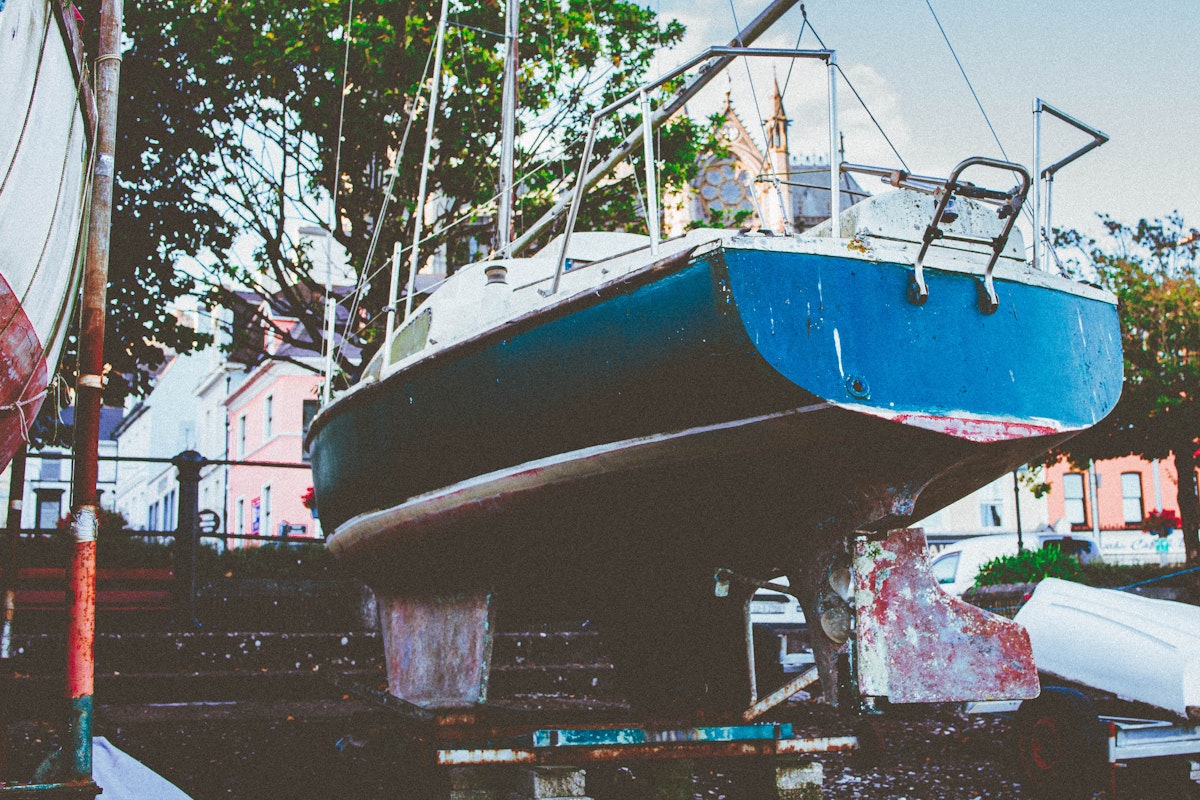
Launch day arrives. Owner shows up excited for first day on water. Marina crane operator asks: "Bottom paint done? Zincs replaced? Registration current? Insurance card?" Owner realizes: Bottom still fouled from last season, expired registration, insurance lapsed, zincs 80% gone, boatyard won't launch.
Rescheduled launch: 3 weeks later (after bottom work, registration renewal, insurance renewal, parts ordering). Lost prime early season weekends. Other owners out enjoying boats while waiting.
Pre-season preparation coordinates all elements ensuring launch day goes smoothly and season starts on schedule.
The Pre-Season Preparation Timeline
Start 8 weeks before planned launch: Weeks 8-6: Planning and scheduling (professional services, parts ordering, administrative tasks). Weeks 6-4: Spring commissioning work (systems checkout, maintenance, repairs). Weeks 4-2: Final preparations (cleaning, stocking, systems testing). Week 2-Launch: Launch logistics (haul-out coordination, final checks, launch day preparation).
Phase 1: Administrative Tasks (8 Weeks Out)
Legal and insurance requirements must be current: Registration renewal: Check expiration date (many states expire December 31 or boat purchase anniversary), Renew online or by mail (allow 3-4 weeks processing), Temporary registration if needed for launch day, Display requirements (numbers, stickers, documentation). Insurance review: Verify coverage current and adequate, Review policy limits and coverage (has boat value changed?), Update insurance company on modifications or upgrades, Confirm agreed-value vs. market-value coverage, Obtain current insurance cards (marina and states require proof), Consider umbrella policy for liability protection. Required certifications: Boater safety card if required in your state, VHF radio license if required (MMSI number), Commercial operator requirements if chartering. Marina/club requirements: Confirm slip assignment or reservation, Verify marina insurance requirements, Pay slip fees before launch (many marinas won't launch until paid), Update emergency contact information, Review marina rules (speed limits, quiet hours, waste disposal).
Phase 2: Professional Service Scheduling (8-6 Weeks Out)
Book professionals early (spring is peak busy season): Bottom work (typically 1-2 days before launch): Pressure wash bottom, Bottom paint application (1-2 coats depending on area), Zinc replacement (shaft, trim tabs, engine), Cutlass bearing inspection, Propeller inspection and service, Running gear alignment check, Through-hull inspection, Rudder and strut inspection. Typical cost: $600-$1,500 depending on boat size and work needed. Engine service (can happen during commissioning period): Professional inspection if desired, Compression test if performance concerns, Valve adjustment if required by schedule, Diagnosis of any issues from last season. Typical cost: $200-$600. Rigging inspection (sailboats): Standing rigging inspection by professional, Swage inspection, Turnbuckle safety, Mast step and partners inspection. Typical cost: $200-$500. Other services: Electronics calibration or installation, Canvas repair or new fabrication, Upholstery work, Fiberglass repairs, Generator service, Air conditioning service.
Pro tip: Schedule services early morning or late afternoon to avoid peak marina traffic and crane availability conflicts.
Phase 3: Parts and Supplies Ordering (6-8 Weeks Out)
Order early to avoid delays: Maintenance parts (from commissioning checklist): Engine impeller (always replace), Oil filters, Fuel filters, Air filters, Belts if showing wear, Spark plugs if due, Zincs (shaft, engine, trim tabs), Any parts noted last fall ("replace this hose next season"). Safety equipment replacement: Expired flares (check dates), Fire extinguisher if expired or low pressure, Life jacket replacements if damaged, First aid kit restocking. Operational supplies: Bottom paint and supplies (if DIY), Cleaning supplies, wax, Fuel stabilizer for ongoing use, Spare parts kit (fuses, belts, impeller, plugs), Tools specific to your boat. Comfort items: New cushions or canvas if ordered, Galley supplies and non-perishables, Boat-specific items (new fenders, lines, etc.).
Smart ordering: Use previous season's maintenance records to identify recurring needs, Order from vendors with fast shipping (or will-call at local marine store), Consider buying common consumables in bulk (oil, filters), Keep parts receipts organized (needed for resale documentation).
Phase 4: Spring Commissioning Execution (6-4 Weeks Out)
Follow comprehensive commissioning checklist: Engine and mechanical systems, Bilge and through-hulls, Electrical and electronics, Safety equipment inspection, Plumbing and sanitation, Steering and control systems, Deck hardware and rigging, Cosmetic cleaning and preparation, Test run at dock, and Document everything with photos and notes.
Refer to complete spring commissioning article for detailed procedures.
Phase 5: Systems Testing and Shake-Down (4-2 Weeks Out)
Test everything before launch day: Electrical systems: Run all electronics (GPS, radar, chartplotter, depth sounder, VHF), Test all lighting (navigation lights, cabin lights, anchor light), Verify shore power and battery charging, Test bilge pump (automatic and manual). Mechanical systems: Extended dock run (30+ minutes at operating temperature), Monitor gauges throughout run, Listen for unusual sounds or vibrations, Check for leaks (engine, transmission, shaft packing, through-hulls), Test throttle and shift at all ranges. Plumbing systems: Run all faucets (hot and cold), Test shower and galley sink, Verify water heater operation, Check for leaks throughout system, Test marine head operation, Verify holding tank indicators working. Safety systems: Test VHF radio (channel 16 and weather channels), Verify emergency flares accessible, Check fire extinguisher locations and access, Test sound signal (horn), Verify all required safety equipment aboard. Navigation systems: Update charts and software (most important pre-season task), Verify GPS accuracy, Test radar functionality, Check autopilot operation if equipped, Program frequent destinations and waypoints.
Phase 6: Provisioning and Stocking (3-2 Weeks Out)
Organize boat supplies before launch: Safety equipment (verify all aboard): USCG required life jackets (one per person, proper sizes), Throwable flotation device, Fire extinguisher(s) in accessible locations, Visual distress signals (flares, current dates), Sound signal (horn or whistle), Navigation lights (verified operational). Emergency equipment: First aid kit (stocked and current), Emergency VHF or handheld radio, Flashlights with fresh batteries, Tool kit appropriate for your boat, Emergency engine parts (impeller, belts, filters, plugs), Duct tape, zip ties, spare fuses, hose clamps. Operational supplies: Fenders (4-6 depending on boat size), Dock lines (at least 4, proper length), Anchor and rode (appropriate for your cruising area), Boat hook, Cleaning supplies aboard, Spare engine oil and filters, Bilge absorbent pads. Comfort and convenience: Galley supplies (plates, utensils, cookware), Non-perishable food items, Beverages and water, Cleaning supplies (paper towels, soap, trash bags), Bedding and towels if overnight capable, Entertainment items (books, games, etc.).
Phase 7: Final Cleaning and Detailing (2-1 Weeks Out)
Make boat shine for season: Wash and wax hull (complete exterior detailing), Clean windows and ports (inside and out), Shampoo carpets and upholstery, Wash all cushions and fabrics, Polish stainless steel and chrome, Clean and treat teak, Organize storage compartments, Deep clean galley and head, Vacuum and dust interior thoroughly, and Detail engine compartment (clean and organized).
Phase 8: Documentation Organization (2 Weeks Out)
Organize critical documents: Keep aboard boat (originals or copies): Registration and documentation, Insurance cards (current proof), Radio license if applicable, Float plan template, Emergency contact list, Marina/club membership cards, Dinghy registration if applicable. Digital backup (phone or cloud): All registration documents, Insurance policy and cards, Equipment manuals and schematics, Emergency contact list, Marina contact information, Engine and equipment serial numbers, Photos of boat (insurance purposes). Maintenance records organized: Last season's service history, Winter maintenance and commissioning work, Current season preparation tasks completed, Upcoming maintenance schedule, Warranty information for equipment.
Phase 9: Launch Day Logistics Planning (1-2 Weeks Out)
Coordinate launch details: Marina coordination: Confirm launch date and time (get specific appointment), Verify crane availability and capacity, Confirm slip assignment ready, Coordinate bottom work timing (1-2 days before launch ideal), Arrange fuel dock visit if needed after launch, Plan haul-out route and staging area. Crew coordination: Line up crew for launch day (minimum 2 people recommended), Assign roles (one driving, one handling lines), Brief crew on procedures (especially if inexperienced), Plan post-launch shakedown cruise, Coordinate schedules with professional services. Launch day checklist preparation: Create specific launch day task list, Verify all supplies aboard, Confirm all systems tested and operational, Plan post-launch destination (shakedown cruise or return to slip), Have backup plan for weather issues.
Phase 10: Pre-Launch Final Inspection (1 Week Out)
Final systems verification: Walk through entire boat systematically (stem to stern inspection), Check bilge one final time (should be dry), Verify all through-hull valves operational, Confirm all systems tested and working, Review commissioning checklist (everything complete?), Check for loose items that could shift during transport, Verify cover/winter storage items removed, Confirm trailer in good condition if trailering, Check trailer lights and connections if applicable, and Document pre-launch condition with photos.
Launch Day Procedure
Day of launch: Pre-launch (at storage): Remove any remaining winter storage items, Final visual inspection, Verify drain plug installed (if applicable), Check bilge dry, Confirm all hatches and ports closed, Have fenders and lines ready. During haul-out/transport: Watch carefully during crane operation, Look for any issues as boat lifted (flexing, creaking), Inspect bottom as boat lifted (last chance to spot problems), Supervise transport to water. At launch: Crew positioned with lines ready, Fenders deployed before entering water, One person ready to start engine immediately after launch, Lines ready for immediate securing, Watch for leaks as boat enters water, Start engine and verify water pump flow (exhaust stream). Post-launch: Secure to dock immediately (don't leave floating unattended), Check bilge immediately (some seepage normal initially), Verify all systems operational (engine, pumps, electronics), Check for leaks (through-hulls, shaft packing), Test steering and throttle at dock, Plan shakedown cruise before extended trip.
Shakedown Cruise Protocol
First trip should be test cruise: Stay close to marina (within easy return distance), Run at various RPMs (idle, cruise, wide-open throttle), Monitor engine temperature throughout, Listen for unusual sounds or vibrations, Test steering at different speeds, Verify all systems operational underway, Check bilge accumulation, Verify electronics functioning properly (GPS, depth, radar), Test anchor windlass if equipped, and Return to slip, check bilge, inspect for any issues.
Common Pre-Season Preparation Mistakes
Critical errors to avoid: Waiting too long to schedule professionals (fully booked by the time you call), Not ordering parts in advance (delayed season start waiting for shipping), Skipping systems testing (discovering problems launch day), Assuming insurance/registration current (launched boat not legal to operate), Not coordinating bottom work timing (paint dries out before launch), Rushing through commissioning (missing critical issues), Launching with expired safety equipment (illegal and dangerous), Not planning for post-launch shakedown (going straight into extended cruise), Forgetting critical supplies (frustrating first outings), and Not documenting pre-launch condition (insurance issues if damage occurs).
The Pre-Season Budget
Typical costs for average 30-35 foot boat: DIY commissioning supplies: $200-$400, Professional bottom work: $600-$1,500, Professional engine service (if needed): $200-$600, Safety equipment replacement: $100-$300, Registration and insurance: $500-$2,000 (annual costs), Parts and supplies: $200-$500, Miscellaneous and contingency: $200-$500, and Total pre-season preparation: $2,000-$5,800.
Pre-Season Preparation Checklist
Comprehensive task list: ☐ Registration renewed (8 weeks out), ☐ Insurance reviewed and current (8 weeks out), ☐ Marina fees paid and slip confirmed (8 weeks out), ☐ Professional services scheduled (8-6 weeks out), ☐ Parts and supplies ordered (6-8 weeks out), ☐ Spring commissioning completed (6-4 weeks out), ☐ Systems testing conducted (4-2 weeks out), ☐ Boat provisioned and stocked (3-2 weeks out), ☐ Final cleaning and detailing (2-1 weeks out), ☐ Documentation organized (2 weeks out), ☐ Launch logistics coordinated (1-2 weeks out), ☐ Pre-launch final inspection (1 week out), ☐ Launch day checklist prepared (1 week out), ☐ Crew briefed and coordinated (1 week out), ☐ Shakedown cruise planned (launch day).
Digital Pre-Season Management
Platforms like Yachtero coordinate pre-season preparation: Comprehensive commissioning checklists, Professional service scheduling and tracking, Parts ordering and receipt storage, Systems testing documentation with photos, Maintenance history reference (what needs attention this season?), Launch day checklist generation, Crew coordination and communication, Digital documentation storage (registration, insurance, manuals), and Calendar integration (all deadlines and appointments visible).
The bottom line: Pre-season preparation coordinates all elements for smooth launch and season start. Timeline starts 8 weeks before launch: administrative tasks (registration, insurance, marina coordination), professional service scheduling (bottom work, engine service, rigging), parts and supplies ordering (maintenance items, safety equipment, operational supplies), spring commissioning execution (comprehensive systems checkout), systems testing and shake-down (verify everything works), provisioning and stocking (safety equipment, emergency gear, comfort items), final cleaning and detailing, documentation organization, launch day logistics planning, pre-launch final inspection. Launch day procedure: careful supervision, immediate post-launch checks, shakedown cruise to test systems. Budget $2,000-$5,800 for typical boat including commissioning, professional services, parts, and administrative costs. Result: confident season start without delays, surprises, or missing equipment. Pre-season preparation isn't just commissioning—it's comprehensive coordination ensuring first day on water is enjoyable rather than frustrating troubleshooting session.

Enhance Your Boating Experience
Unlock a more organized, efficient, and enjoyable boating experience with Yachtero. Download the app today and discover the benefits of AI-powered assistance. Register now and take control of your boat!